
Connected Rodent Monitoring for Pest Control Professionals
Know when monitored activity happens—not only when the route returns.
Rook Pest supplies GTO connected-monitoring technology to pest management professionals in the United States. Sensors, a site gateway, and a cloud platform add time-and-location activity data between scheduled visits so teams can investigate sooner and document their response.
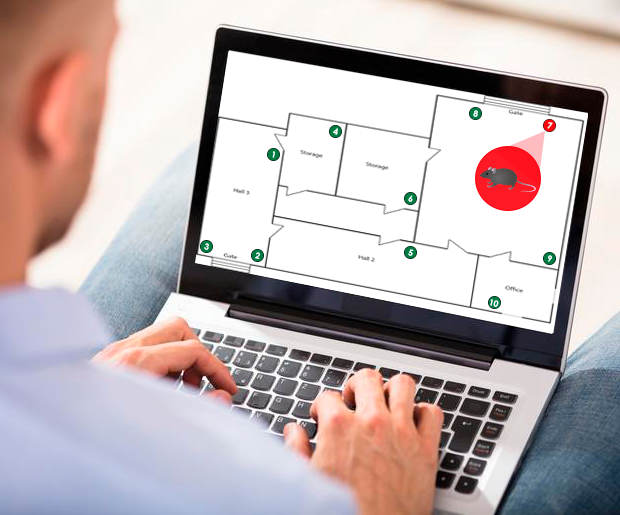
Add continuous event data to professional pest management
Rook Pest is the exclusive U.S. distributor of GTO, a Danish connected rodent-monitoring platform in operation since 2005. We help pest management professionals evaluate, deploy, and support the technology for commercial accounts.
The system combines sensors, gateways, platform access, alerts, and reporting. It supports the technician’s work; it does not replace inspection, maintenance, exclusion, sanitation review, corrective action, or professional judgment.
The goal is practical: earlier awareness at selected monitoring points, a clearer activity history, and better information for the next service decision.
Powered by GTO
Connected monitoring powered by GTO
GTO provides the monitoring platform behind the Rook Pest system. Pest management teams use it to view connected devices, review activity events, and manage monitoring data across authorized sites.
The GTSensor can be used with compatible traps and monitoring locations. It detects configured events and communicates over the local LoRa network to a GTConnect gateway.
The gateway sends monitoring data to the cloud platform through an approved internet connection. Teams can review alerts, device status, locations, and history from the dashboard, subject to the deployment configuration and user permissions.
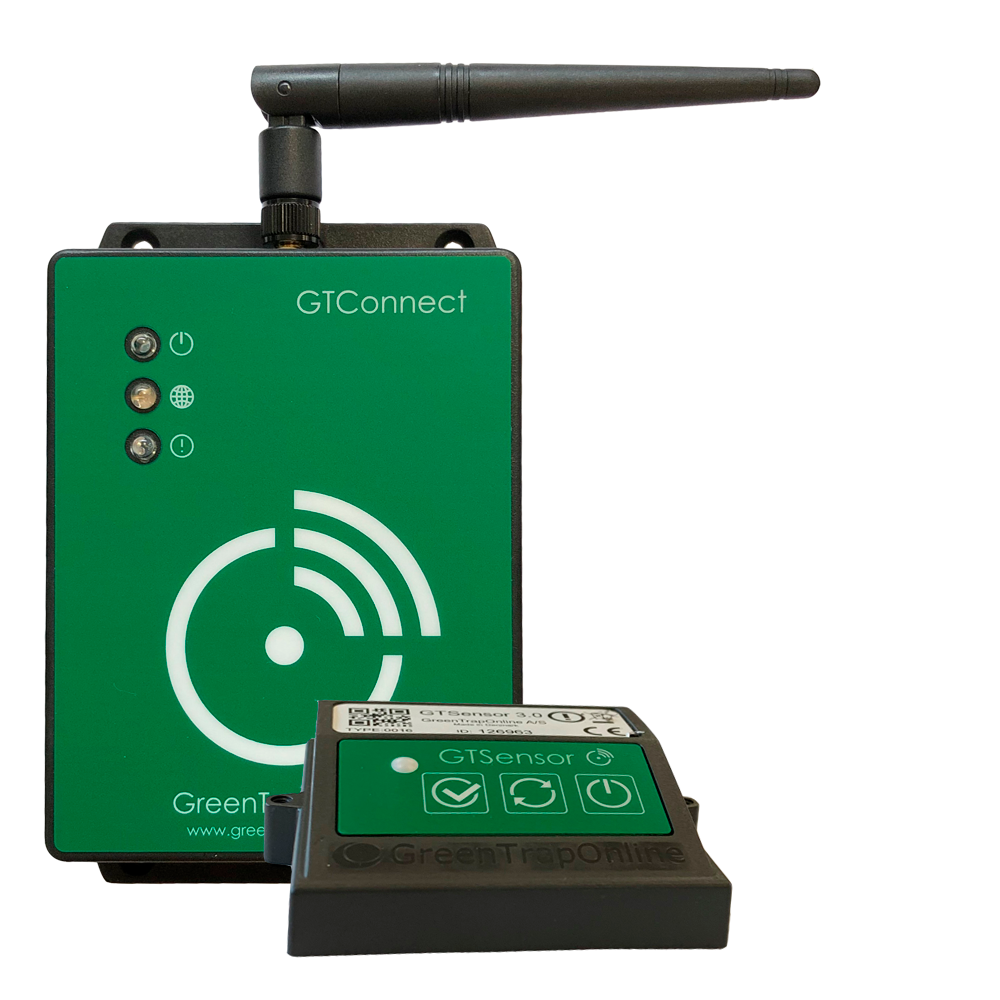
Simple. Powerful. Proven.
From installation to a service decision

Install
A pest management professional selects monitoring points from the site’s risk assessment, installs compatible sensors, tests gateway coverage, and records each device location.

Detect
When a monitored device reports an event, the sensor sends data through the site’s LoRa network to the gateway. Device communication and placement must be checked as part of the ongoing service process.

Alert
The platform records the event and sends notifications according to the account configuration. The team reviews the alert, investigates the location, documents findings, and completes the appropriate corrective action.
Sensors provide evidence between visits. Trained technicians determine what that evidence means and what action the site needs.
Featured Hardware
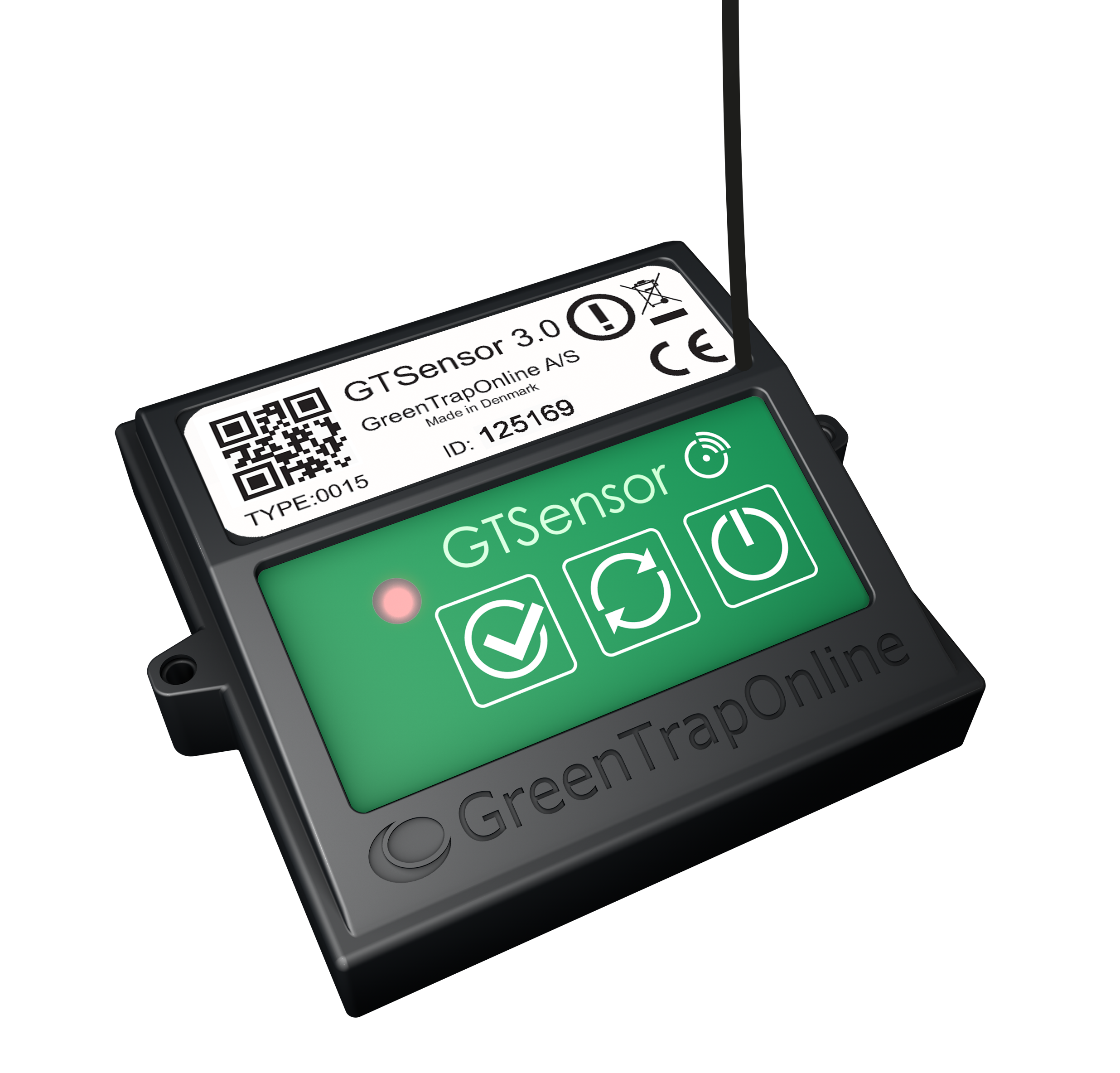
Meet the GTSensor 4.0.
A compact connected sensor for selected commercial rodent-monitoring points.
The GTSensor 4.0 is designed for use with compatible traps, bait stations, and approved free-standing locations. The correct placement depends on the site, device, and monitoring objective.
Motion, vibration, and temperature inputs support event detection. The sensor communicates through the GTO network so the pest management team can review reported activity without waiting for the next scheduled device check.
Battery life, communication range, and environmental performance depend on configuration and operating conditions. Confirm the current specifications and test representative locations before a full rollout.
- Radio Technology: LoRa 915 MHz, 10mW ERP
- Detection: Motion (PIR), Vibration/Shock, Temperature
- Battery Life: Up to 9 years (exchangeable AA Lithium)
- Dimensions: 60 x 64 x 22 mm | Weight: 57g
- Enclosure: Plastic PC/ABS
- IP Rating: 51
- Operating Temp: -20°C to +85°C
- Configuration: Via server
Why It Matters
Built for the Demands of Professional Pest Management
Connected monitoring is most useful where delayed awareness, difficult access, audit evidence, or a large footprint makes selected monitoring points operationally important.

Instant Real-Time Rodent Alerts
Receive configured notifications when a monitored device reports activity. The event’s time and location help the team decide how quickly to investigate and which area needs attention.

24/7 Automated Rodent Monitoring
Connected devices can report between scheduled visits. They supplement the professional inspection program and require an operating process for device status, maintenance, alert review, and response.

Time-stamped activity and response records
Use event history alongside technician findings and corrective-action notes to explain what occurred and how the team responded. Reports can support customer and audit review but do not guarantee compliance.

Plug-and-Play Installation
The GTSensor is designed to work with compatible monitoring equipment. A professional still needs to confirm fit, placement, radio coverage, device naming, and the response procedure for each site.

A measurable monitoring service
Pest control operators can package connected monitoring as a defined service with hardware, platform access, alert handling, reporting, and response expectations. Pricing and scale should be based on actual deployment and route economics.

Indoor & Outdoor Monitoring
Use only in locations supported by the current product specifications and deployment plan. Confirm enclosure, temperature, mounting, connectivity, and maintenance requirements for each environment.
Trusted Across Industries
Commercial environments where earlier awareness matters
Rook Pest supports pest management professionals serving facilities where rodent activity can affect operations, product, documentation, or reputation. The monitoring design should follow the site’s specific risk assessment.
Industries

Food & Beverage Manufacturing
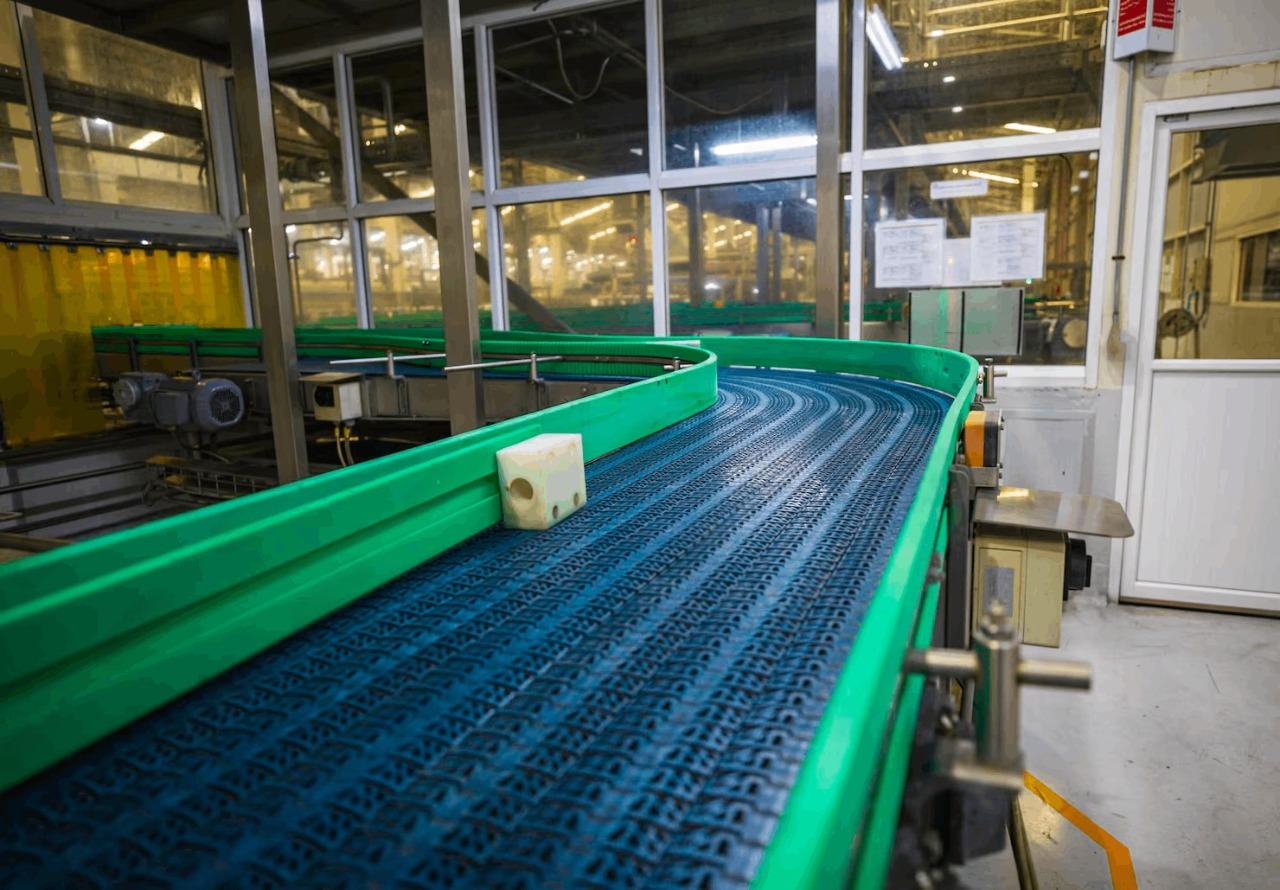
Add time-stamped activity data at selected high-risk points and connect it with the facility’s pest-control map, inspection records, and corrective-action process.

Hospitals & Healthcare Facilities
Use connected monitoring to improve awareness at selected service, storage, and support areas while preserving the facility’s infection-control and pest-management procedures.

Airports & Transportation Hubs
Monitor selected points across large or hard-to-access facilities, subject to coverage testing, access rules, and a defined alert-response process.

Warehousing & Distribution
Use zone-level event history to focus investigation around docks, receiving, storage, and recurring hotspots across a large footprint.

Hospitality & Food Service
Support discreet monitoring and faster awareness at selected back-of-house, storage, receiving, and service areas. Sensors complement inspection and sanitation procedures.

Commercial Real Estate & Property Management
Organize authorized sites and monitoring points in one platform while keeping property-level response, access, maintenance, and reporting responsibilities clear.


What the Industry Says
Built for pest management professionals and their clients

Industry Expert
We have used GTO as part of numerous troubleshooting investigations and have found it to be an extremely reliable indicator of rodent presence, highlighting activity that conventional bait stations and traps have missed completely.
— Dr. John Simmons, Managing Director
Acheta Consulting Ltd.
PMP Business Owner
Using GTO enables us to act much faster as opposed to waiting for a pre-scheduled visit — thereby avoiding delays that make infestations worse.
— Paul-Martin Bertelsen, CEO, Mortalin A/S
(Denmark's largest pest management company)
The Rook Difference
Technology, deployment support, and an operating plan
Rook Pest combines access to the GTO platform with U.S. deployment guidance for pest management professionals. A successful program depends on more than devices: site selection, gateway coverage, technician adoption, response rules, reporting, and account economics all matter.

Exclusive US Distribution
Rook Pest is the exclusive U.S. distributor of GTO connected rodent-monitoring technology and the domestic point of contact for operators evaluating the system.

Established Technology Since 2005
GTO has developed connected pest-monitoring technology since 2005. Confirm current references, product specifications, and deployment requirements with Rook Pest for the proposed account.

Works With What You Already Use
The GTSensor can be used with a range of compatible traps and monitoring locations. Confirm physical fit and correct placement during the site survey.

A Business Case, Not Just a Device
Rook helps operators define a monitoring service around selected devices, platform access, alert handling, reporting, maintenance, and response. Use pilot data to determine pricing and scale.

Role-based cloud platform
The GTO platform supports multiple users and authorized site access. Customers with specific security, privacy, retention, or integration requirements should review current technical documentation before deployment.

Support That Scales With You
Rook Pest helps operators evaluate representative sites, plan gateway and sensor placement, train users, and address deployment questions as a program expands.
Ready to Offer Your Clients 24/7 Smart Rodent Monitoring?
Tell us about the account type, footprint, monitoring objective, current service model, and reporting requirements. We can help you define a pilot and determine whether connected monitoring fits the operation.